Israel is attempting a risky strategy, increasing the intensity of its attacks in an attempt to force Hezbollah to back down, while raising the chances of an aggressive response that devolves into a land war.
Anti-tank missiles fired from Lebanon caused injuries, Israel’s public broadcaster reported. The Israeli military said it had struck several Hezbollah sites in Lebanon.
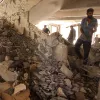
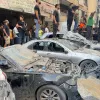
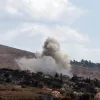
Israel carried out one of the most intense bombardments of the past year, as warplanes launched 70 airstrikes, Lebanese security officials said. The barrage came shortly after Hezbollah’s leader vowed to respond after explosions of pagers and walkie
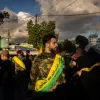
The Hezbollah leader, Hassan Nasrallah, did not say how his group would respond to attacks on hand-held devices, which killed dozens when pagers and walkie-talkies exploded.
Officials in some countries started cutting rates last year, but others, including those in Europe and the United States, have taken a more cautious approach.
Daily exchanges of fire between Hezbollah and Israel have been destructive, disruptive and sometimes deadly. An escalation could risk starting a wider regional conflict.
By targeting so many pagers at the same time, Israel demonstrated technical prowess and partly restored the aura of its intelligence agencies. But its long-term intent is unclear.
The ambassador, Mojtaba Amini, lost an eye, according to two members of Iran’s Revolutionary Guards Corps who were briefed on the attack.
This site is for internal use only. It is intended for sales representatives to be able to try out Stacks features and see the dashboard. Please be mindful that this is a shared space, and whatever changes you save will be reflected to all.